HICP versus CPI — waarom inflatie in de eurozone met een andere maatstaf wordt gemeten
Het cijfer waar de ECB op stuurt, is de HICP, niet de nationale CPI van uw land. Doorgaans bewegen ze mee, maar de verschillen zijn reëel en af en toe groot genoeg om er rekening mee te houden.
Als de krantenkoppen het over "inflatie in de eurozone" hebben, bedoelen ze één specifieke maatstaf: de geharmoniseerde consumentenprijsindex (HICP). Dit is de index waarvoor de Europese Centrale Bank een doelstelling van 2% hanteert, de index die Eurostat voor elke lidstaat volgens dezelfde definitie publiceert, en de index die op elke pagina van deze tracker wordt gebruikt. Uw land publiceert vrijwel zeker ook een nationale consumentenprijsindex (CPI) — en die twee zijn niet hetzelfde.
Wat "geharmoniseerd" eigenlijk betekent
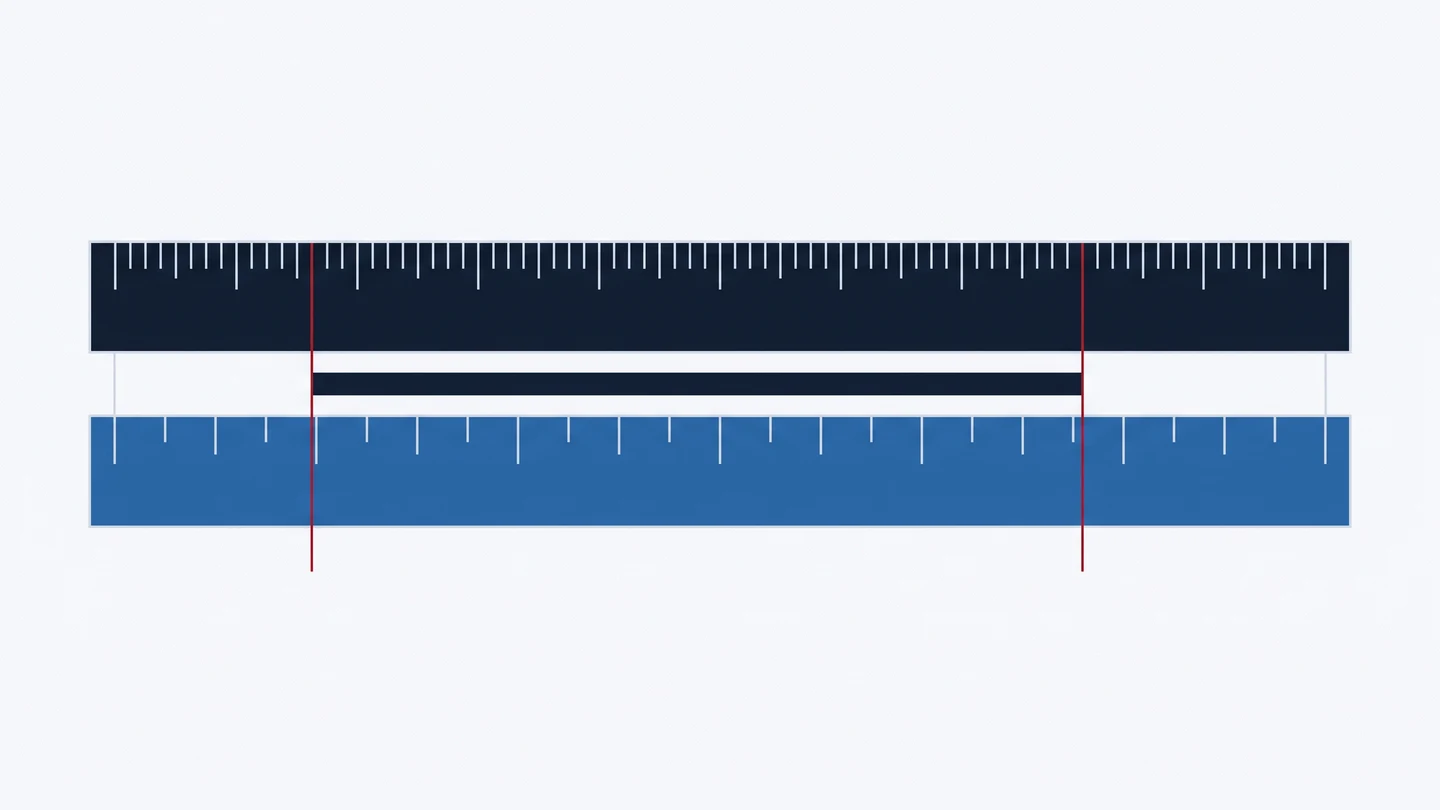
Het hele idee achter de HICP is vergelijkbaarheid. Daarvóór mat elk land de inflatie op zijn eigen manier — andere mandjes, andere methoden, andere dekking — waardoor je niet eerlijk kon zeggen of de inflatie in Spanje hoger of lager was dan in Nederland. De HICP lost dat op door één EU-brede methodologie voor te schrijven, zodat een procentpunt in Lissabon hetzelfde betekent als een procentpunt in Helsinki. Dat is wat een cijfer voor het hele eurogebied überhaupt zinvol maakt.
Een nationale CPI is daarentegen opgezet voor binnenlands gebruik en volgt de nationale traditie. Hij beantwoordt de vraag "hoe veranderen de prijzen voor de mensen hier?" volgens de conventies die het nationale statistiekbureau al lange tijd hanteert.
De drie verschillen die ertoe doen
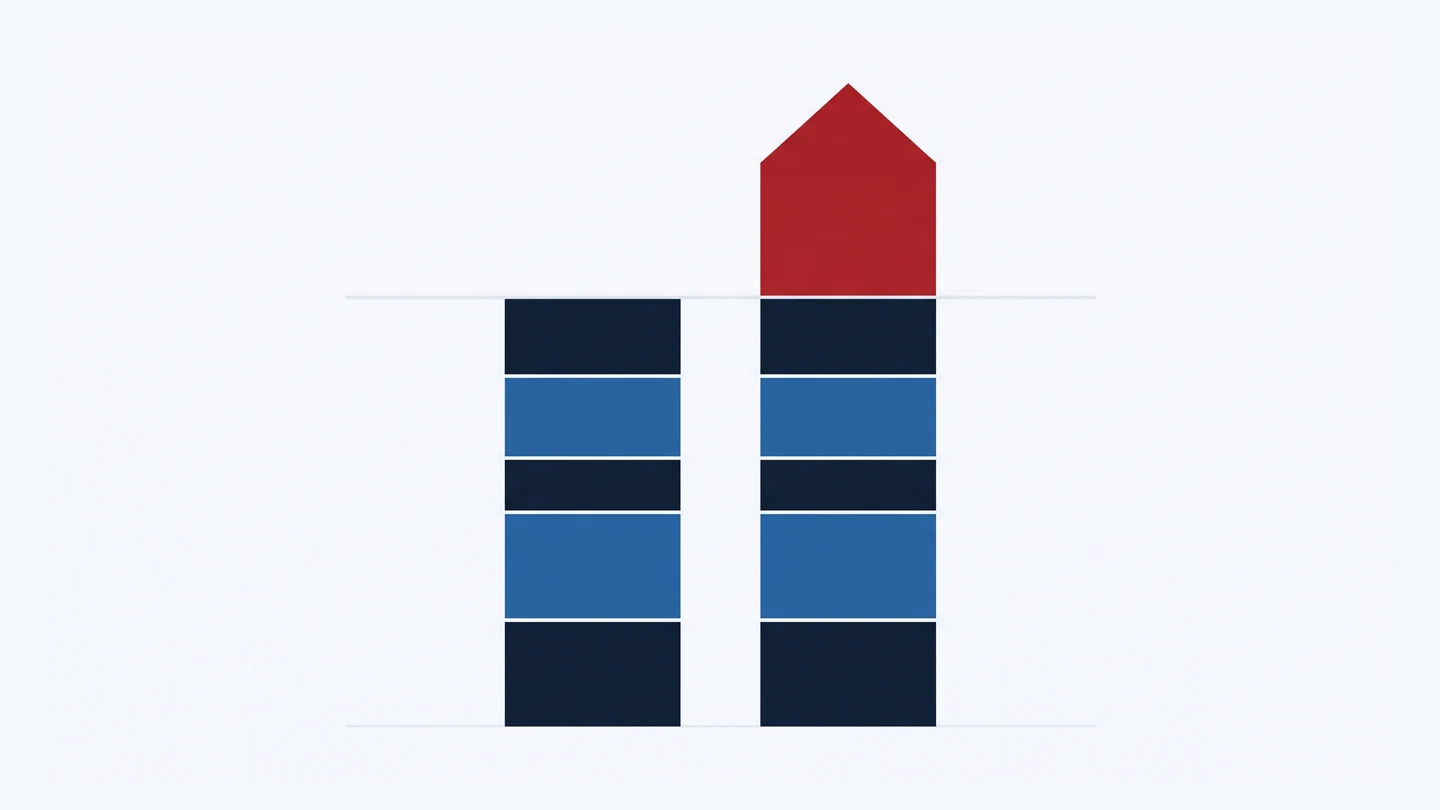
1. Koopwoningen. Dit is het grote verschil. Sommige nationale CPI's bevatten een of andere maatstaf voor de kosten van het bezit van een eigen woning — hypotheekrente, of een toegerekende huur. De HICP laat het bezit van een eigen woning vooralsnog grotendeels buiten beschouwing. In periodes van snel stijgende huizenprijzen of hypotheekrentes kan een nationale CPI die de woonlasten meeneemt, een stuk heter oplopen dan de HICP. (De ECB en Eurostat werken al lang aan een project om het bezit van een eigen woning in de HICP op te nemen, maar het zit nog niet volledig in het hoofdcijfer.)
2. Wie en wat er meetelt. De HICP telt de bestedingen mee van iedereen binnen het economisch gebied — waaronder plattelandshuishoudens, institutionele huishoudens en de uitgaven van buitenlandse bezoekers — en laat enkele posten buiten beschouwing die nationale indices juist wél kunnen meenemen. Nationale CPI's richten zich vaak op een nauwer omschreven "typisch ingezeten huishouden".
3. Wegingen. Beide indices wegen categorieën naar wat huishoudens eraan uitgeven, maar de exacte wegingen en de actualisatieschema's verschillen, waardoor dezelfde prijsbewegingen de twee indices met net iets andere bedragen kunnen doen verschuiven.
Hoever lopen ze uiteen?
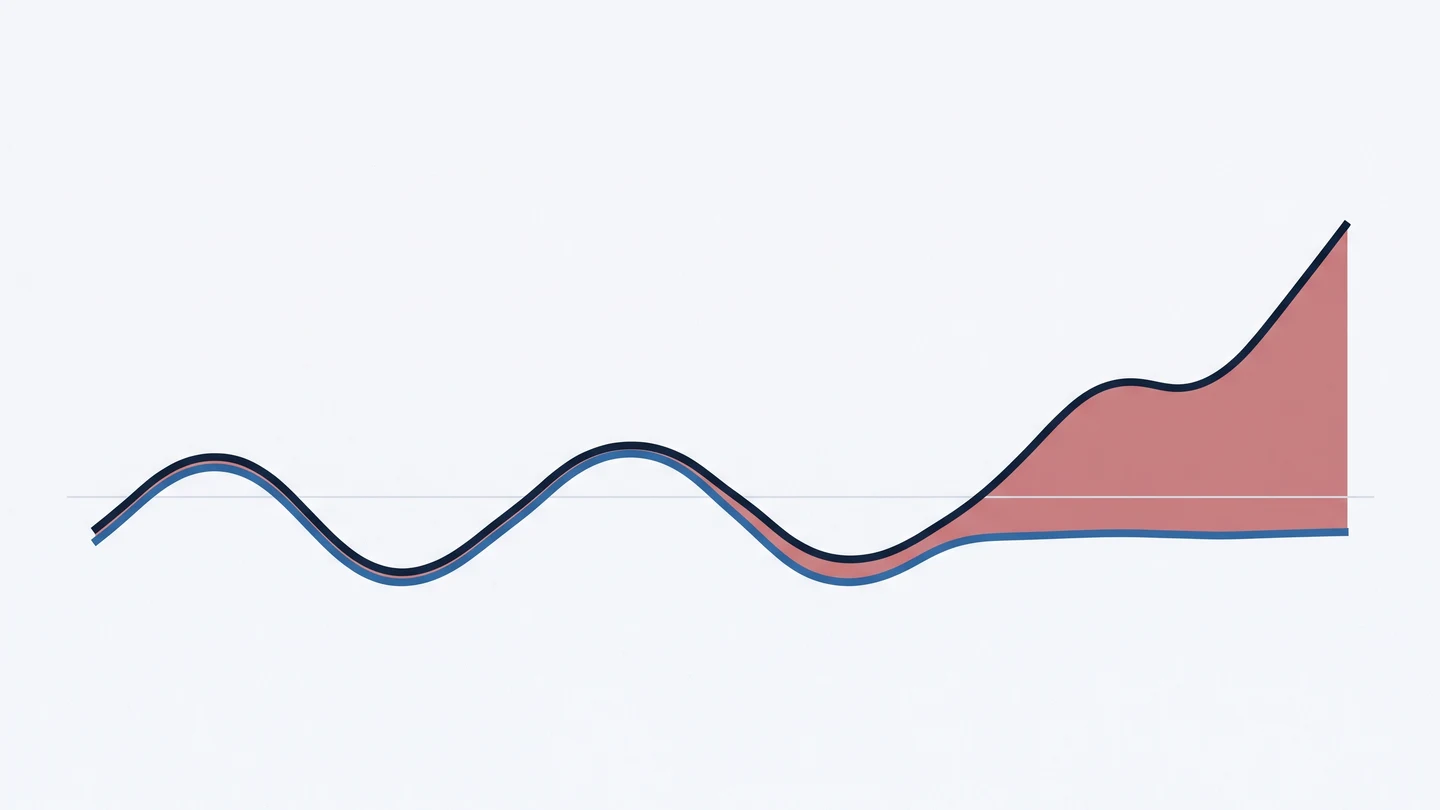
Doorgaans volgen ze elkaar op de voet — binnen enkele tienden van een procentpunt. De kloof loopt op onder specifieke omstandigheden, meestal wanneer de woonlasten iets dramatisch doen: een nationale CPI die de hypotheekrente meeneemt, vangt renteverhogingen op die de HICP simpelweg niet ziet. In een verkrappingscyclus is het dan ook normaal dat het nationale cijfer dat een burger voelt, boven het geharmoniseerde cijfer ligt waar de ECB naar handelt.
Naar welke moet u kijken?
- Om landen te vergelijken of in te schatten wat de ECB gaat doen, gebruikt u de HICP. Het is de enige gelijkwaardige maatstaf voor het hele blok en de feitelijke doelstelling van de ECB.
- Voor een beeld van uw eigen kosten van levensonderhoud vangt uw nationale CPI de woonlasten misschien beter en sluit hij dichter aan bij uw eigen ervaring.
Geen van beide is "verkeerd" — ze beantwoorden verschillende vragen. Deze tracker gebruikt overal de HICP, omdat het zijn taak is om het eurogebied langs één en dezelfde meetlat te leggen en het cijfer te tonen waar de centrale bank op stuurt. Het cijfer voor het hele blok vindt u op de pagina over de eurozone en de volledige landenranglijst in de vergelijkingsweergave.
Bron: Eurostat (HICP) en de Europese Centrale Bank. euroflation is een onafhankelijke tracker en is niet gelieerd aan de ECB, Eurostat of de EU. Niets hierin vormt financieel advies.