Porque é que a inflação no Báltico é mais elevada do que na Alemanha sob a mesma taxa do BCE
A inflação harmonizada da Lituânia ronda os 5%, enquanto a da Alemanha se situa abaixo dos 3% — sob exatamente o mesmo banco central. O desvio é estrutural e constitui a ilustração mais clara do problema do euro: "um tamanho que não serve a ninguém".
A zona euro tem uma única política monetária. A 17 de junho de 2026, o Banco Central Europeu fixou a sua taxa da facilidade permanente de depósito em 2,25% para todos — para os aforradores lituanos, alemães e malteses por igual. No entanto, essa taxa única recai sobre vinte e uma economias muito distintas. Em maio de 2026, a inflação harmonizada (IHPC) situava-se nos 5,1% na Lituânia e nos 2,7% na Alemanha — um desvio de 2,4 pontos percentuais, com taxas de juro idênticas.
Não se trata de ruído estatístico. Os Estados bálticos passaram a maior parte dos últimos quatro anos entre os membros do bloco com inflação mais elevada. As razões são estruturais e vale a pena compreendê-las, pois explicam porque é que um corte de taxas que parece tardio em Frankfurt pode parecer prematuro em Vílnius.
Tudo começa no cabaz de compras
O IHPC é uma média ponderada de preços. As ponderações não são iguais em todos os países — refletem aquilo em que as famílias de cada país efetivamente gastam. E o cabaz báltico está inclinado precisamente para as categorias que têm sido mais voláteis.
| Componente do IHPC (maio de 2026, taxa anual) | Lituânia | Alemanha |
|---|---|---|
| Total (taxa global) | 5,1% | 2,7% |
| Energia | 22,2% | — |
| Serviços | 6,3% | — |
| Inflação subjacente (excl. energia e produtos alimentares) | 3,4% | — |
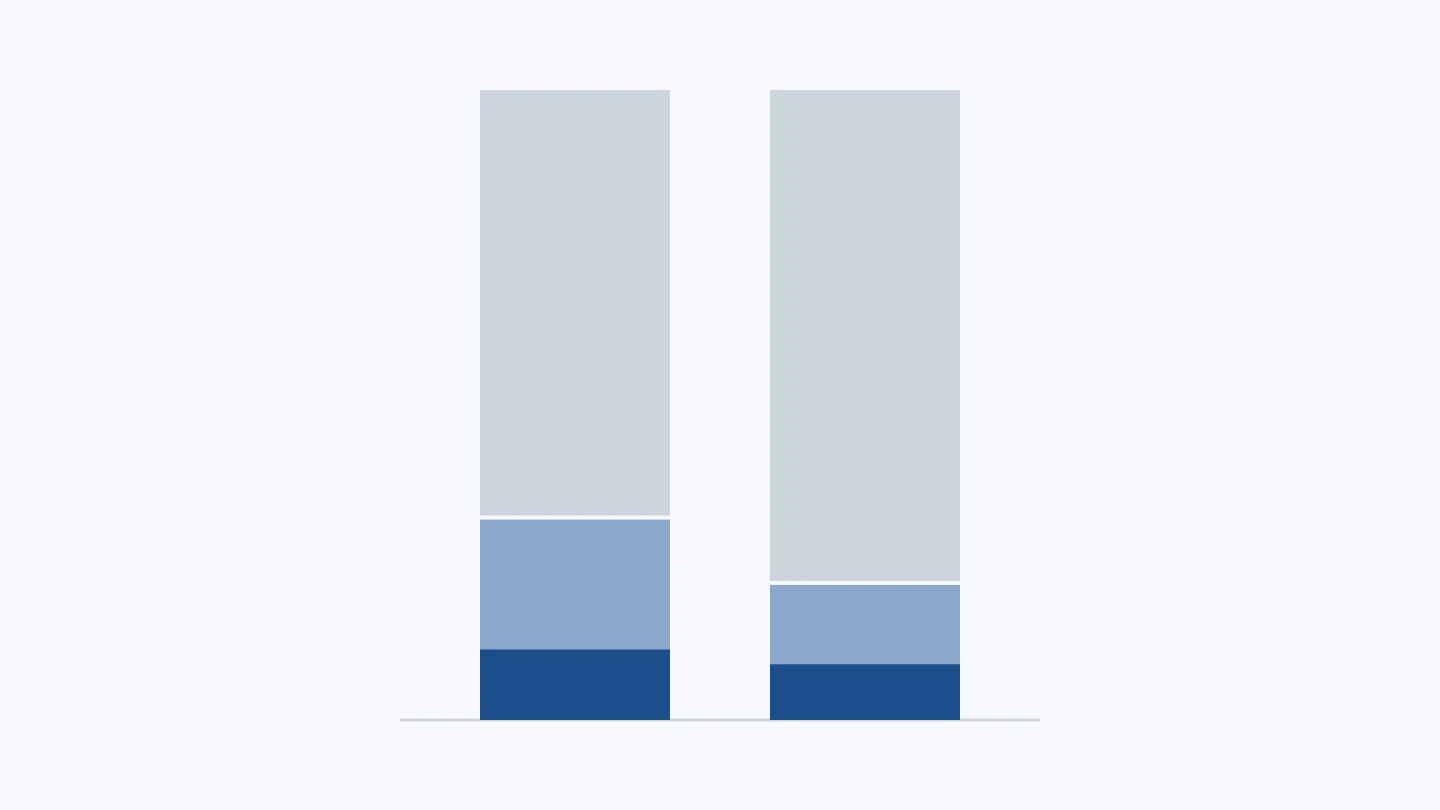
A energia é o fator de oscilação. Os preços da energia na Lituânia subiram mais de 20% em termos homólogos, e a energia tem um peso maior no cabaz báltico do que nas economias ocidentais mais ricas. Os produtos alimentares — também fortemente ponderados nos países de menor rendimento, onde absorvem uma fatia maior do orçamento das famílias — amplificam o mesmo efeito. Quando os preços mundiais da energia e dos produtos alimentares se mexem, o Báltico mexe-se mais.
Depois há o crescimento de convergência
A segunda força é mais lenta e mais permanente: a convergência. As economias bálticas estão ainda a aproximar-se dos níveis de rendimento da Europa Ocidental, e as economias em convergência apresentam estruturalmente uma inflação mais elevada. À medida que a produtividade aumenta no setor dos bens transacionáveis, os salários sobem em toda a economia — incluindo nos serviços, onde os ganhos de produtividade são mais difíceis de obter. O resultado é uma inflação dos serviços mais rápida (a da Lituânia foi de 6,3%) e uma taxa de câmbio real que se valoriza através dos preços, e não de uma moeda, porque não existe uma moeda própria que possa valorizar-se.
Os economistas chamam-lhe efeito Balassa–Samuelson. Em termos simples: um país que sobe na escala de rendimento tende a registar uma inflação mais elevada do que uma economia madura, e isso é, na sua maioria, saudável. Só se torna um problema quando não se pode fixar a própria taxa de juro para o gerir.
E é precisamente esse o cerne da questão
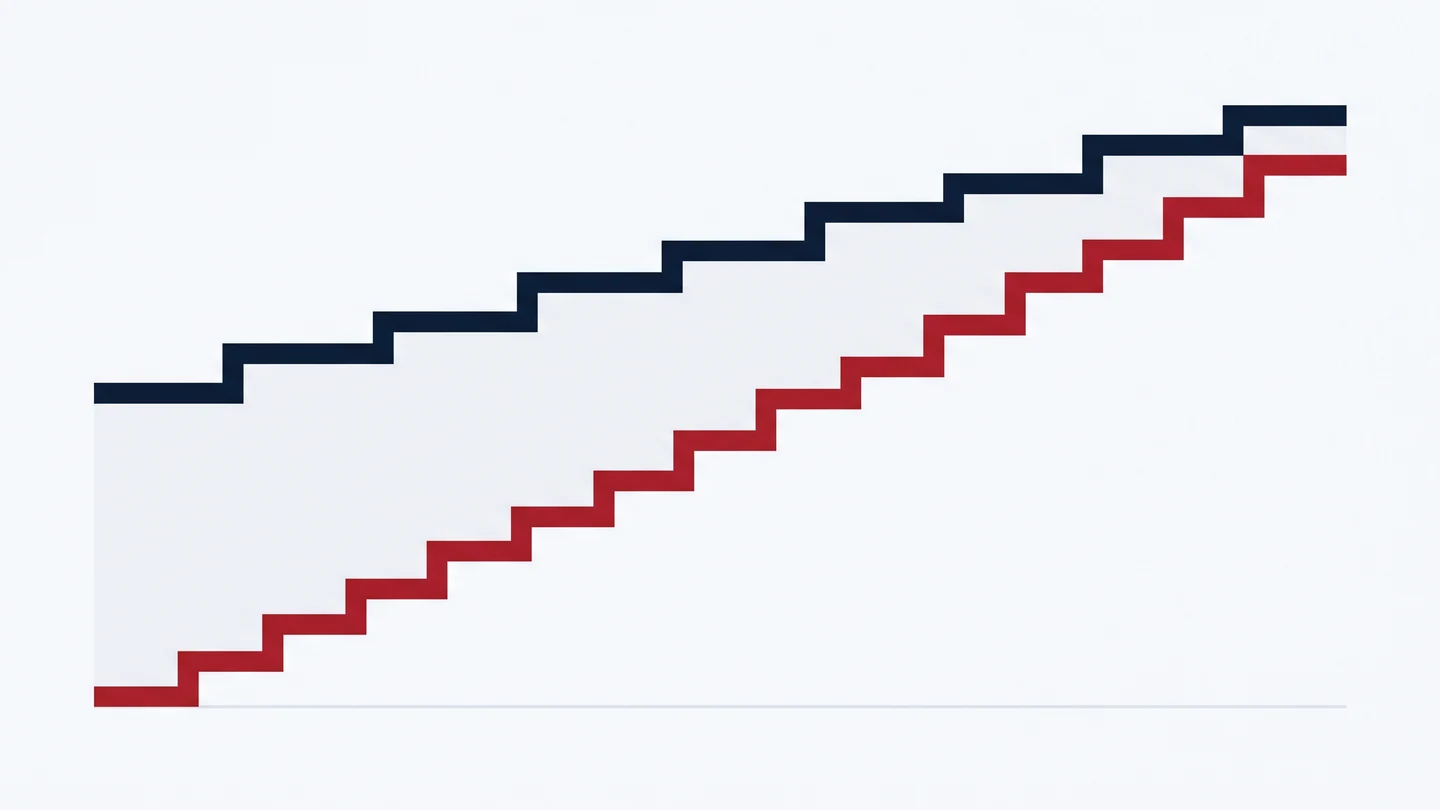
Antes de 2015, a Lituânia tinha o litas e o seu próprio banco central. Hoje não tem nem um nem outro — a política monetária é decidida em Frankfurt para o conjunto da zona euro, e o governador do Banco da Lituânia é apenas um voto entre muitos no Conselho do BCE. Quando a inflação báltica disparou acima dos 20% em 2022, não havia uma taxa de juro lituana que se pudesse subir em resposta. O BCE define a política para a média, e a média é dominada pelas grandes economias ocidentais.
Assim, uma taxa de política única é, quase por construção, demasiado frouxa para os membros mais sobreaquecidos e demasiado restritiva para os mais frios. É esse o compromisso que cada membro aceitou ao aderir: abdica-se de uma política monetária independente em troca de uma moeda estável e partilhada e de uma integração profunda com os seus maiores parceiros comerciais. Para economias pequenas, abertas e dependentes do comércio, isto tem sido geralmente considerado um bom negócio — mas o diferencial de inflação é o custo visível e recorrente.
O que vigiar
O diferencial estreita-se quando a energia estabiliza e alarga-se quando dispara, pelo que os números bálticos constituem uma leitura precoce da origem das pressões inflacionistas na zona euro. Vale a pena acompanhar duas coisas:
- As componentes, não apenas a taxa global. Uma taxa global báltica impulsionada pela energia esmorece rapidamente; uma impulsionada pelos serviços e pelos salários é mais persistente e importa mais para o BCE.
- O desvio face à média da zona euro. Com o bloco nos 3,2% e a Lituânia nos 5,1%, o próprio diferencial é o sinal — é o resíduo de uma política monetária única aplicada a vinte e uma economias não idênticas.
Dados: Eurostat (IHPC, conjunto de dados prc_hicp_minr) e Banco Central Europeu, à data da divulgação de maio de 2026. A euroflation é um observatório independente e não está associada ao BCE, ao Eurostat nem à UE. Nada aqui constitui aconselhamento financeiro.