Bulgaria joins the euro — what it means for inflation
On 1 January 2026 Bulgaria became the 21st member of the euro area. Because the lev was already pegged to the euro, the monetary shock is small — but the inflation story is worth understanding.
On 1 January 2026, Bulgaria adopted the euro and the euro area grew from twenty members to twenty-one. The headline aggregate is now Eurostat's EA21 series; the older EA20 continues to exist as a fixed-composition basket for the 2023–2025 period. As of the May 2026 release, harmonised inflation (HICP) was 6.3% in Bulgaria against 3.2% for the euro area as a whole — a gap that says a lot about why convergence and prices move together.
The monetary change is smaller than it looks
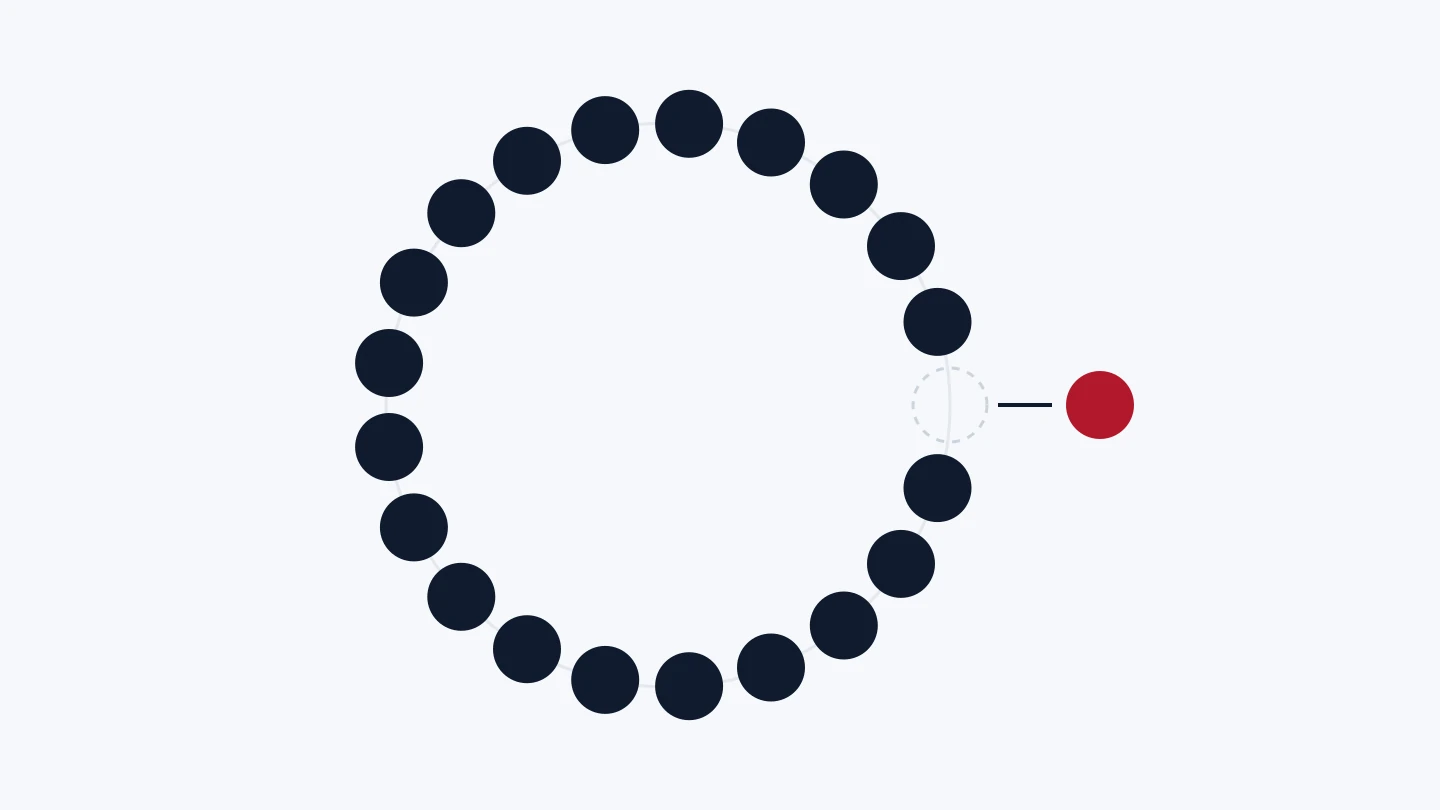
Bulgaria is an unusual entrant because it gave up very little monetary independence on accession day. The lev has been under a currency board since 1997, pegged first to the Deutsche Mark and then, from 1999, to the euro at a fixed 1.95583 BGN per euro. Under that arrangement the Bulgarian National Bank could not run its own interest-rate policy — it was already, in effect, importing the ECB's stance to defend the peg.
So the practical change in January 2026 was not "Bulgaria handed monetary policy to Frankfurt." That happened, de facto, decades ago. What changed is that Bulgaria swapped a peg it maintained unilaterally for full membership: a seat and a vote on the ECB Governing Council, the disappearance of conversion risk, and the lev replaced by euro notes and coins. The exchange rate did not move, because there was nothing to move.
Why Bulgarian inflation runs above the average
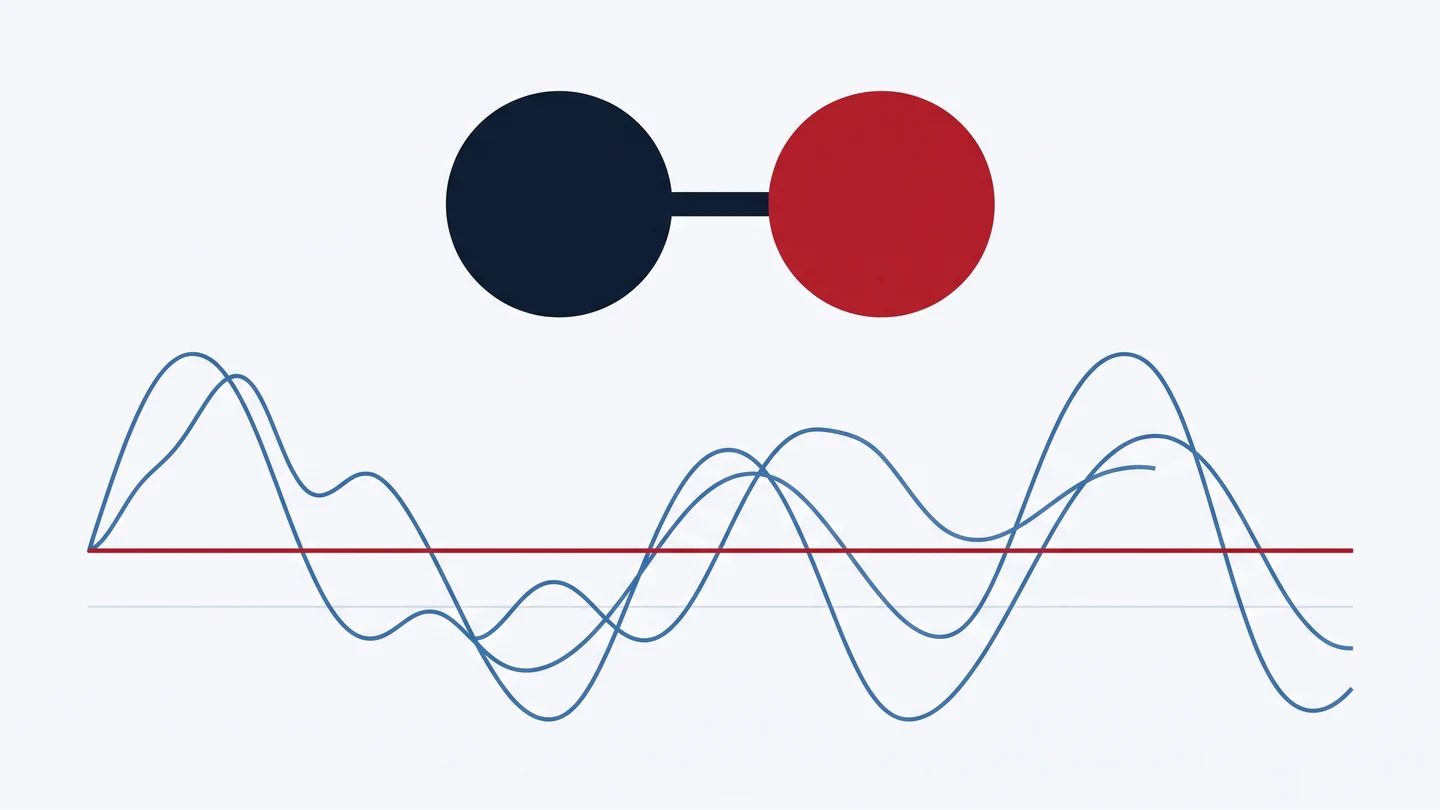
The 6.3% figure is high relative to the bloc's 3.2%, and the reasons rhyme with the Baltic story. Bulgaria is the EU's lowest-income member by GDP per capita, and catch-up economies structurally run hotter inflation:
- Convergence (Balassa–Samuelson). As productivity rises in the traded-goods sector, wages rise across the whole economy, including services where productivity is harder to lift. Prices in services and non-tradables climb faster than in mature economies. This is mostly the price of catching up, not a policy failure.
- A heavier food and energy basket. Lower-income households spend a larger share on essentials, so the HICP weights tilt toward exactly the categories that have been most volatile since 2021. When global food and energy prices move, Bulgaria's headline moves more.
The changeover and the "rounding" worry
The most common fear around any euro changeover is that shops round prices up when they re-label. Evidence from earlier entrants — the Baltics, Croatia in 2023 — suggests the one-off effect on the price level is real but small, on the order of a few tenths of a percentage point, concentrated in cafés, restaurants and small services. Croatia's experience in 2023 is the closest recent comparison: a modest, temporary bump, not a sustained inflation regime change. Dual price display (lev and euro on the same tag) is the standard tool used to keep the changeover honest, and Bulgaria used it.
What to watch
- The gap to the euro-area average. With the bloc near 3.2% and Bulgaria above 6%, the spread is the signal — the residual of one monetary policy meeting twenty-one non-identical economies. Expect it to narrow as convergence matures, but not to vanish.
- Services versus energy. A headline driven by energy fades when energy stabilises; one driven by services and wages is stickier and matters more for how the ECB reads the bloc.
- The components, not just the top line. Bulgaria's full breakdown — core, energy, food and services — tells you whether the high reading is a passing import-price effect or something more durable.
Figures: Eurostat (HICP, dataset prc_hicp_minr) and the European Central Bank, as of the May 2026 release. euroflation is an independent tracker and is not affiliated with the ECB, Eurostat or the EU. Nothing here is financial advice.